Belarus Legalizes Crypto Banks: A New Hybrid Financial Era
Belarus Moves Toward a Hybrid Financial System by Legalizing Crypto Banks
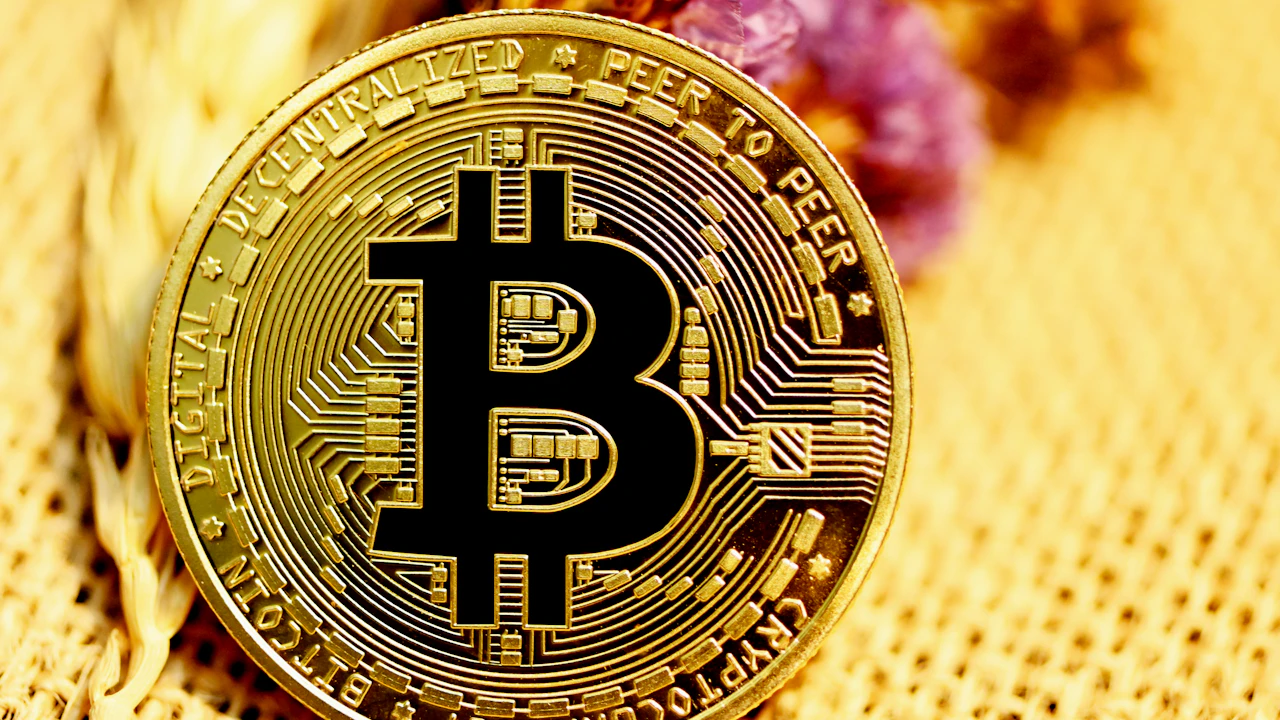
|
| Belarus is set to become a regional pioneer in the integration of digital tokens and traditional banking services. |
The Path to Becoming a Crypto Bank
- HTP Residency: Interested banks must first obtain residency in the High Technologies Park (HTP). Known as the "Silicon Valley of Eastern Europe," the HTP offers a special tax and legal regime that facilitates tech growth.
- National Bank Registration: Beyond HTP status, institutions must be officially included in the National Bank’s dedicated register for crypto-banking entities.
- Regulatory Alignment: The National Bank is currently working with regulators to harmonize existing financial laws with the new decree, a process expected to take about six months.
- Dual-Asset Management: Banks must prove they can manage both fiat reserves and crypto assets without discrimination, ensuring liquidity for both types of accounts.
- Security Infrastructure: Specialized digital security protocols must be in place to protect tokenized assets from cyber threats, matching the standards of traditional financial security.
- Investor Engagement: The government is actively seeking both domestic and foreign investors to jumpstart the first wave of hybrid banks.
Traditional vs. Crypto Banking: A Comparison
| Feature | Traditional Banks | New Crypto Banks |
|---|---|---|
| Primary Assets | Fiat Currency (BYN, USD, EUR) | Fiat + Digital Tokens (BTC, ETH, etc.) |
| Loan Collateral | Real Estate, Cars, Savings | Cryptocurrency and Digital Assets |
| Payment Cards | Linked to Fiat Accounts | Direct Crypto-to-Merchant Payments |
| Legal Regime | Standard Banking Law | HTP Special Decree + Banking Law |
| Investment Target | General Public / Businesses | Crypto Miners, Tech Firms, Global Investors |
Key Innovations: Loans and Crypto Cards
- Exclusive Crypto Cards Banks will be allowed to issue debit and credit cards linked directly to crypto accounts. This removes the need for third-party exchanges to convert funds before spending.
- No Asset Discrimination The National Bank has emphasized that crypto and fiat will be treated with equal importance within these institutions.
- Attracting Crypto Miners By offering banking services to the mining community, Belarus hopes to become the primary hub for digital mining in Eastern Europe.
- Global Uniqueness Deputy Head of the National Bank, Alexandre Yegorov, noted that this regulation is unique and highly anticipated by the international community.
- Enhanced Security All crypto-banking activities will fall under the supervision of the National Bank, providing a layer of trust that decentralized exchanges lack.
The Role of the National Bank and Future Timeline
During this six-month window, the National Bank will work closely with other regulators to adapt the existing legal framework. This includes updating anti-money laundering (AML) and know-your-customer (KYC) protocols to fit the digital age. They aren't just waiting for the laws to change; they are already in talks with potential investors. The goal is to have the first crypto banks ready to open their doors the moment the legislation is fully prepared.
Yegorov believes that the unique nature of this regulation will make Belarus a "flagship" for IT financial technologies. By creating a regulated bridge between crypto and fiat, Belarus is essentially offering a blueprint that other nations might follow. For a country that has long marketed its HTP as a tech haven, this is the logical next step in its economic evolution.
Expert Perspectives and Quotes
Government officials and financial experts see this decree as a pivotal moment for the nation's economy. The language used in the decree and in subsequent interviews suggests a high level of confidence in the project's success. Here are some of the key takeaways from the officials involved:
- Alexandre Yegorov (National Bank): "This is one of the most anticipated regulations, not only in Belarus but also internationally, due to its uniqueness."👈
- Decree Goal: The official aim is to position Belarus as a "flagship in the field of IT financial technologies," bringing clarity to a previously unregulated sector.👈
- HTP Integration: By requiring HTP residency, the government ensures that these banks are part of a broader tech ecosystem rather than isolated financial entities.👈
Economic Impact and Global Competition
- Foreign Direct Investment The new laws are designed to make it easy for foreign crypto companies to set up shop in Minsk, bringing jobs and capital.
- Mining Hub Status With specialized banking services, crypto mining operations (which require high amounts of capital and electricity) will find Belarus much more attractive.
- Tax Revenue While HTP residency offers tax benefits, the overall increase in economic activity from these banks will boost state coffers over time.
- Tech Talent Retention By legalizing cutting-edge fintech, Belarus hopes to keep its brightest developers and financial experts from moving to London or Berlin.
Frequently Asked Questions (FAQ)
This new legislation is complex, and many people have questions about how it will work in practice. Below, we answer the most common queries regarding Belarusian crypto banks.
What is the main goal of the new crypto-banking decree?
The primary goal is to provide a legal framework that allows traditional banking to coexist with digital tokens. President Lukashenko aims to make Belarus a global leader in IT fintech and a hub for crypto-related investments.
Can any bank start offering crypto services immediately?
No. Institutions must first become residents of the High Technologies Park (HTP) and then register with the National Bank. There is also a six-month preparation period for regulators to finalize the technical rules.
Will these banks allow crypto-backed loans?
Yes. One of the most significant features of the decree is the ability for banks to issue loans where the collateral is held in cryptocurrency. This is particularly useful for mining companies and tech entrepreneurs.
Will customers get special debit cards for their crypto?
The law allows banks to issue payment cards linked directly to accounts containing digital tokens. This will allow for seamless spending of crypto at any merchant that accepts traditional cards.
As the world watches Belarus's experiment with hybrid finance, the success of these crypto banks will likely depend on how well they balance innovation with the rigorous safety standards expected of national financial institutions.
The Challenges Ahead: Risks and Regulation
- Monitoring market volatility to protect bank reserves.
- Ensuring high standards of cybersecurity against hacking.
- Maintaining international compliance to avoid sanctions.
- Educating the public on the risks of digital assets.
- Preventing the use of crypto for illegal activities.
- Managing the technical integration of blockchain and legacy bank systems.
In the coming six months, as the National Bank finalizes the rules and the first institutions apply for HTP residency, all eyes will be on Minsk. Whether this hybrid system becomes a global standard or remains a local experiment, it marks a significant chapter in the history of money. For the mining industry, tech startups, and digital investors, the message is clear: Belarus is open for business.